
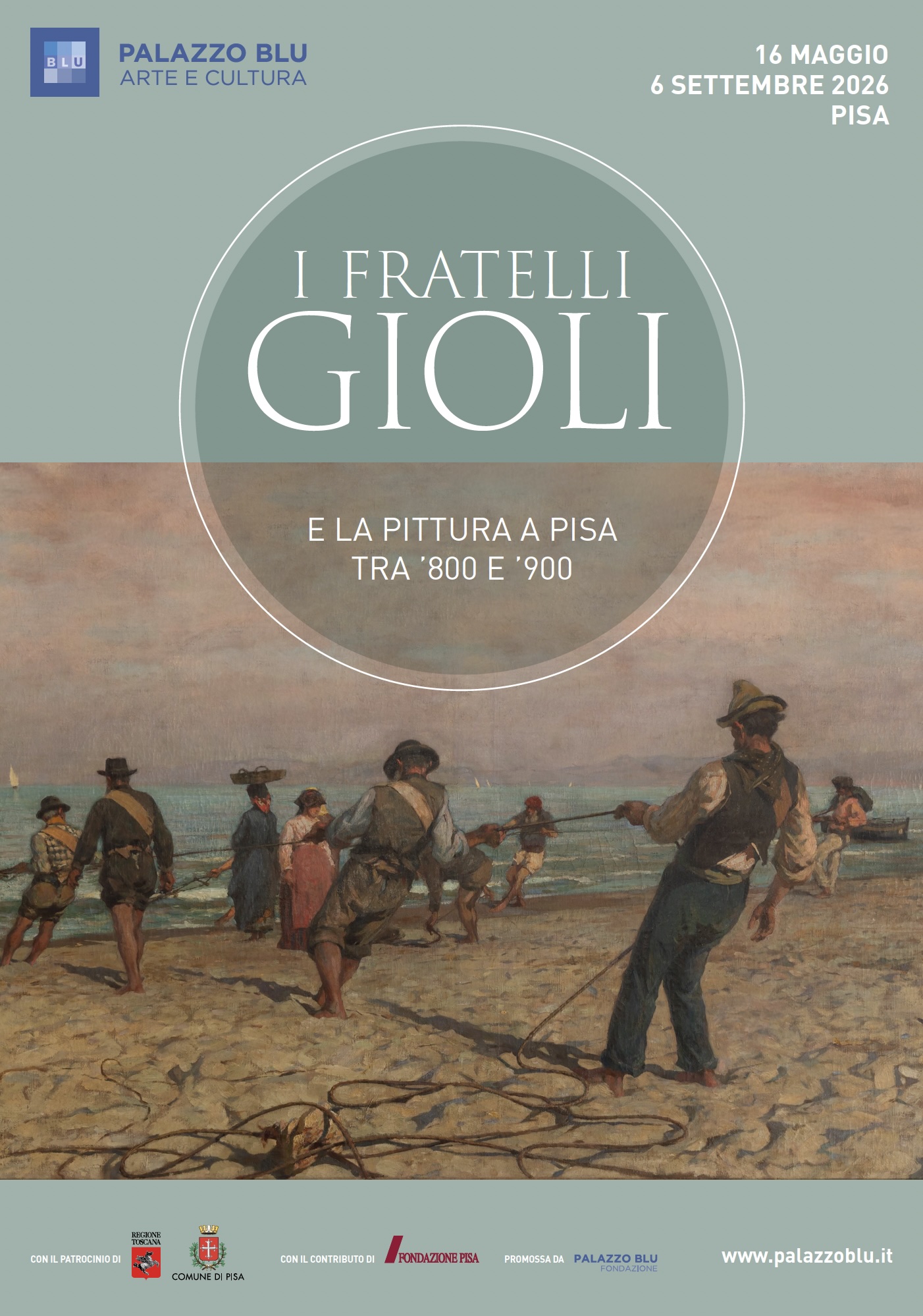
Curated by Stefano Renzoni
Drawings selected by Bianca Cerrina Feroni
With the exhibition The Gioli Brothers and Painting in Pisa, Palazzo Blu continues its programme of in-depth explorations into figurative culture between the nineteenth and twentieth centuries-an area already examined through major exhibitions devoted to the Macchiaioli, the work of Henri de Toulouse-Lautrec and the Belle Époque.
The exhibition offers a wide-ranging overview of painting in Pisa and its surrounding region, bringing together different generations of artists and highlighting the richness of a cultural milieu in constant dialogue with Italy’s leading artistic centres. Within this narrative, the brothers Francesco Gioli and Luigi Gioli emerge as a central-though not exclusive-focus. Their work is situated within a broader network of artistic relationships rooted in the Macchiaioli movement and continuing through subsequent expressions of naturalism and landscape painting.
Structured into six thematic sections, the exhibition unfolds as a collective narrative in which, alongside the Gioli brothers, prominent figures and key interpreters of the artistic scene between the nineteenth and twentieth centuries are presented. Particular attention is given to artists such as Adolfo Tommasi and Spartaco Carlini, as well as Plinio Nomellini, Vittorio Matteo Corcos, and Amedeo Lori, all of whom played a significant role in shaping painting in the Pisan area.
Within this context, the Gioli brothers’ work stands as a point of balance between tradition and renewal: on the one hand, their strong ties to the Macchiaioli experience; on the other, an openness towards a more modern vision of landscape and reality.
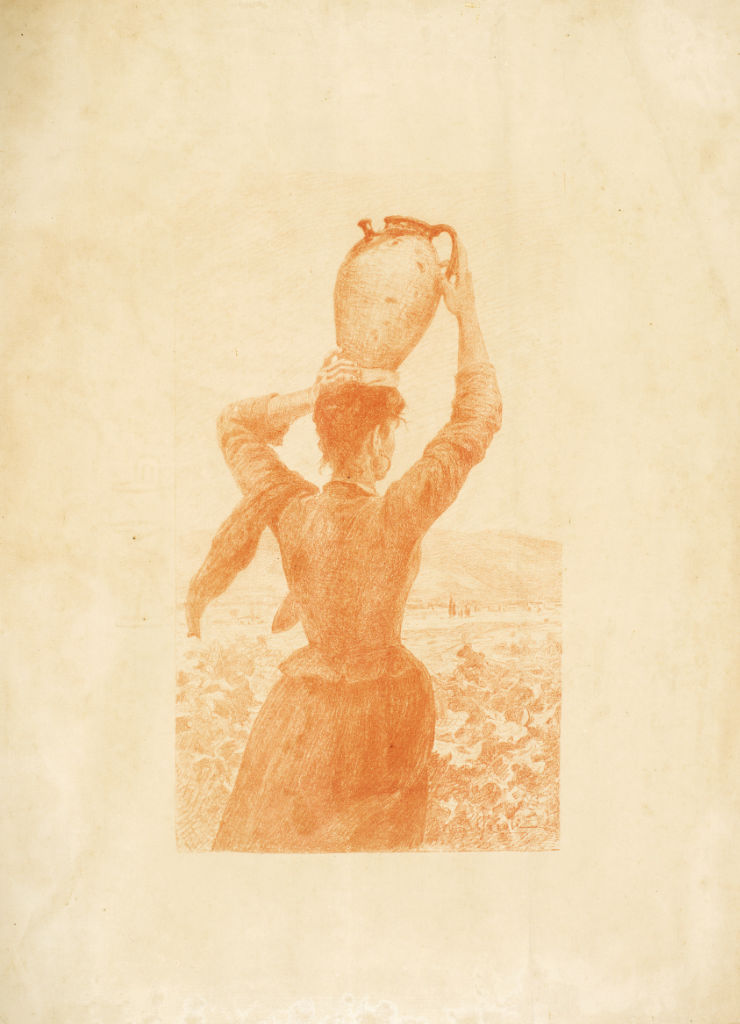
Through paintings and drawings-the latter presented as an autonomous language rather than merely preparatory-the exhibition conveys the complexity of a pivotal artistic season, portraying Pisa as an active centre of artistic production, exchange, and experimentation. A substantial and previously unpublished group of drawings, originating directly from the Gioli family archive and still preserved by the artists’ heirs, is presented to the public here for the first time.
The exhibition thus offers a renewed interpretation of local figurative culture, situating it within a broader historical and artistic framework and further reinforcing Palazzo Blu’s role as a key reference point for the study and promotion of art between the nineteenth and twentieth centuries.
The exhibition is accompanied by a catalogue published by Felici Editore.
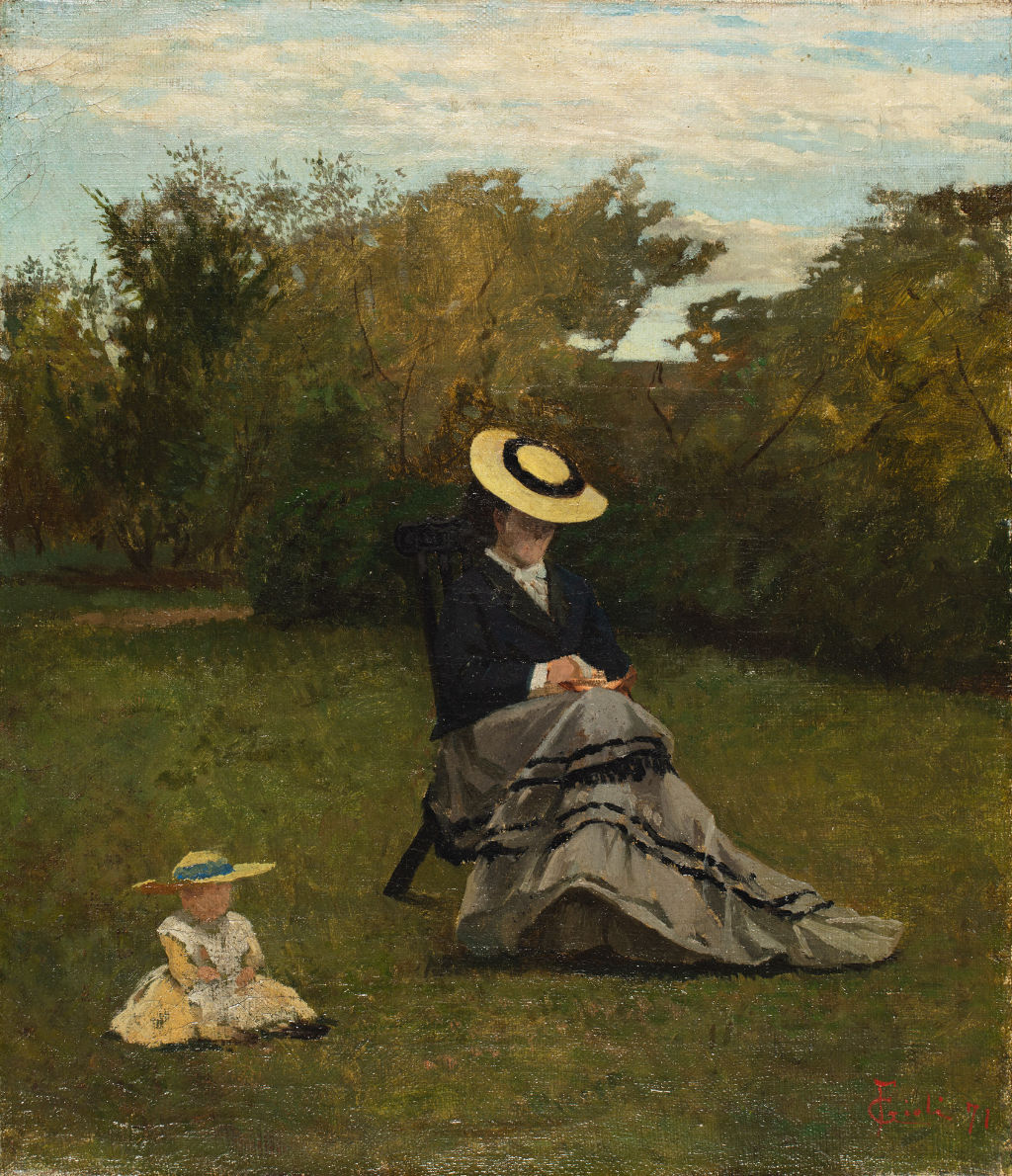
Francesco Gioli, In the Garden, 1871
oil on canvas, 33 × 26 cm
Private collection
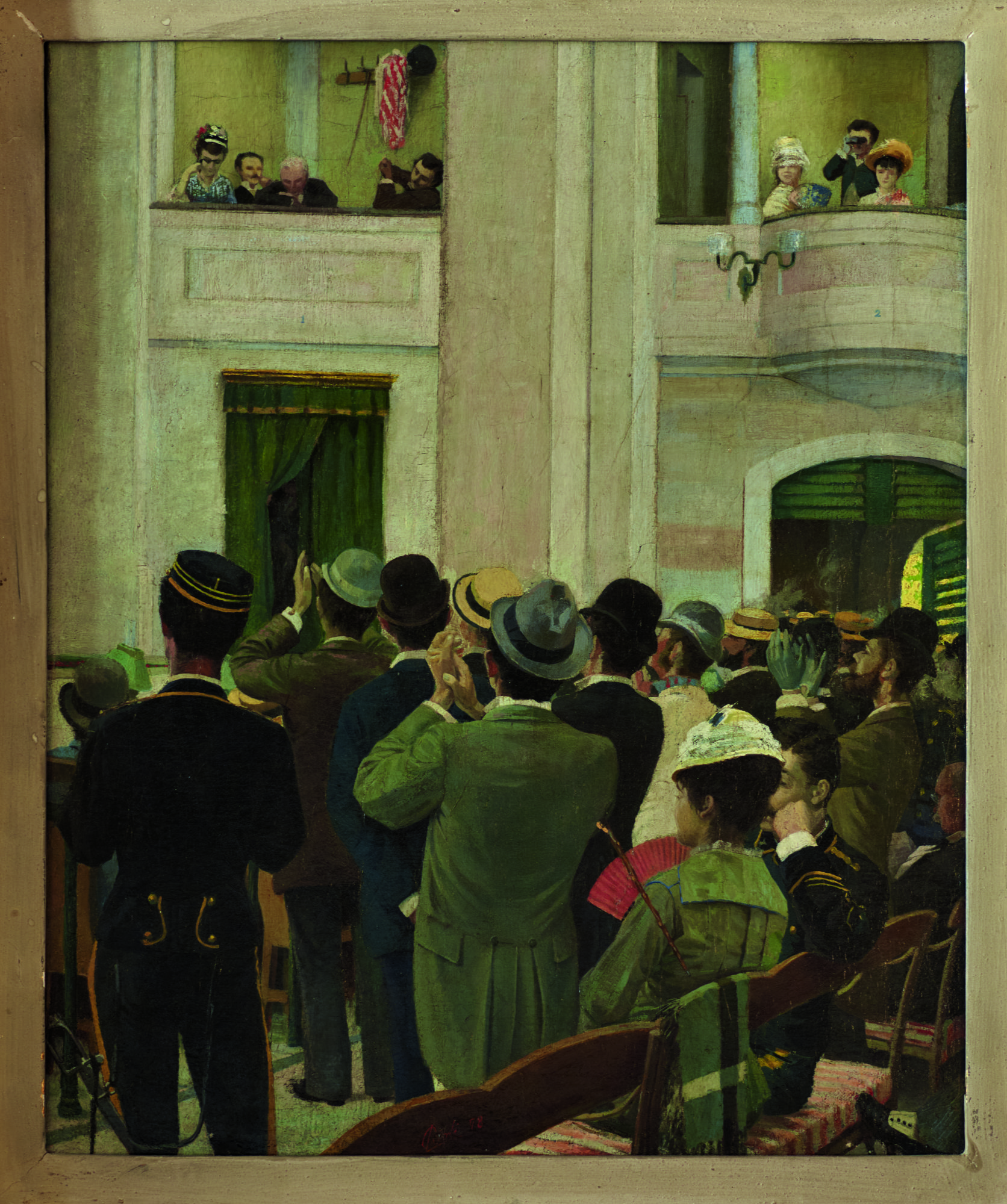
Luigi Gioli, The Arena of Pisa
oil on canvas, 51 × 42 cm
Private collection
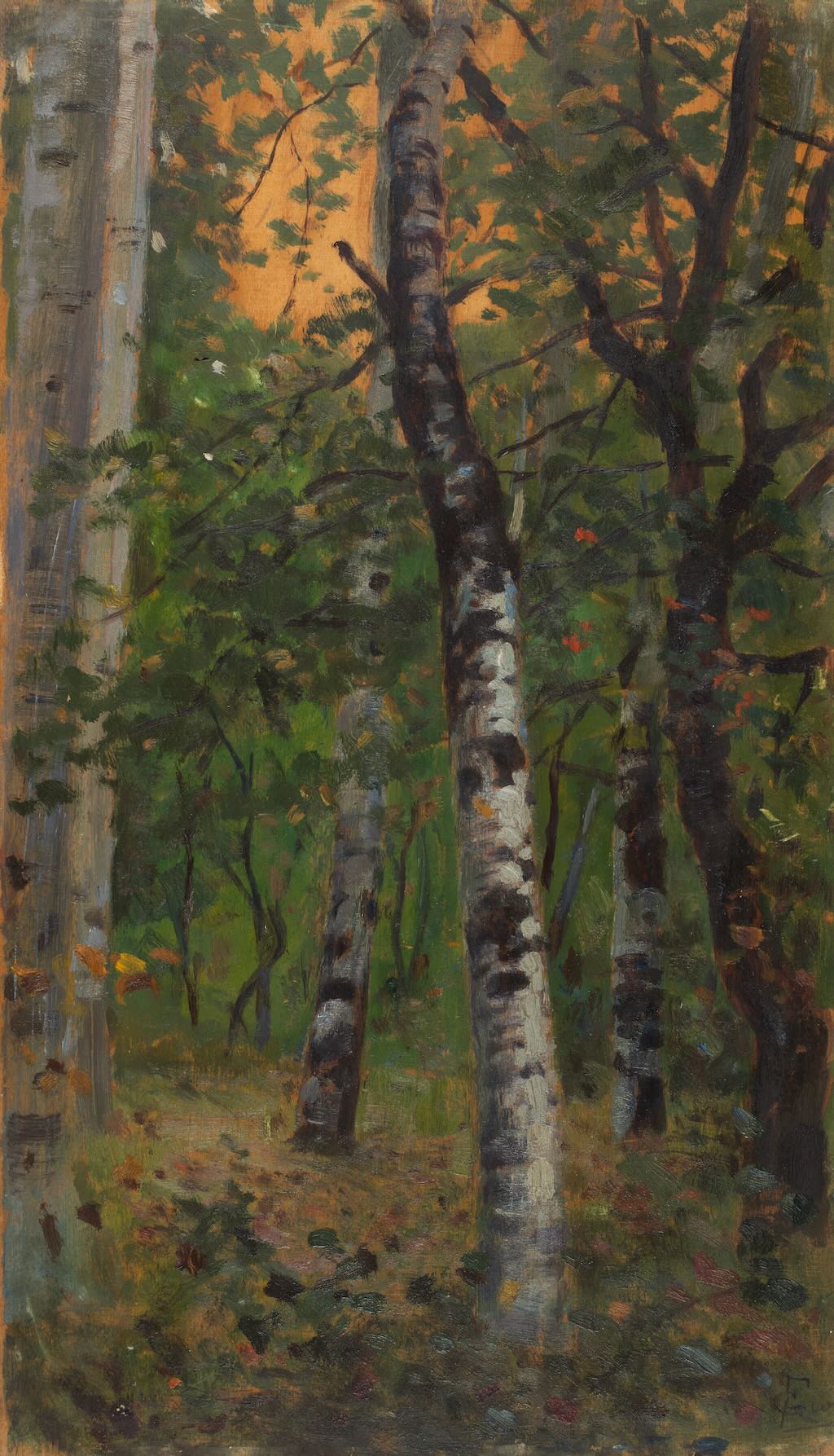
Luigi Gioli, Poplar Grove, Fauglia (study), c. 1898
oil on canvas, 38 × 22 cm
Private collection
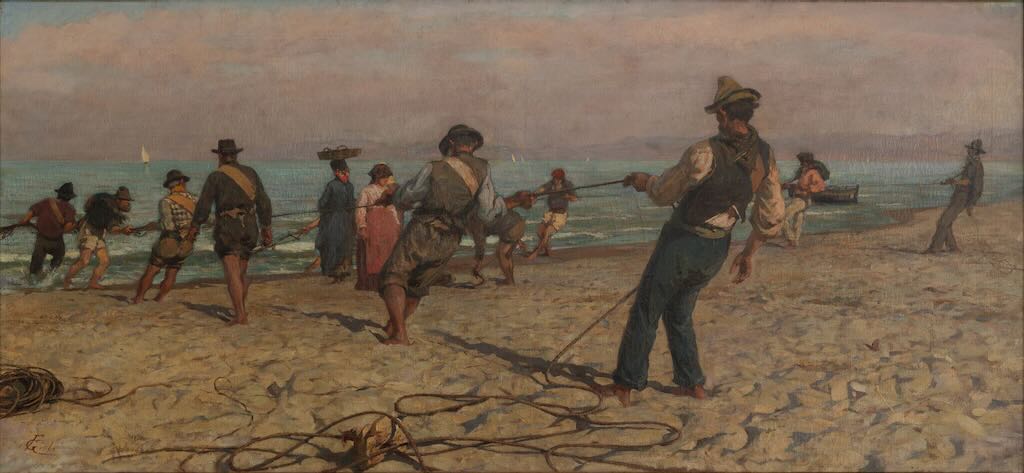
Francesco Gioli, Seine Fishing, 1887
oil on canvas, 80 × 140 cm
Private collection
(Courtesy of ‘800/900 Artstudio, Livorno–Lucca)
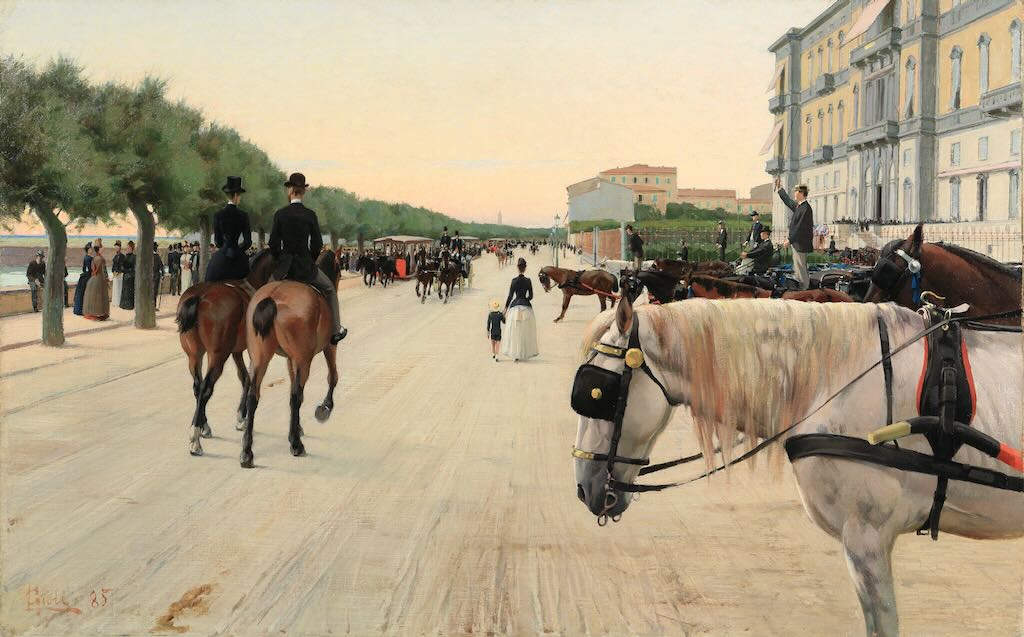
Luigi Gioli, Via del Passeggio in Livorno (Hotel Palazzo)
oil on canvas, 50.5 × 80.5 cm
Private collection
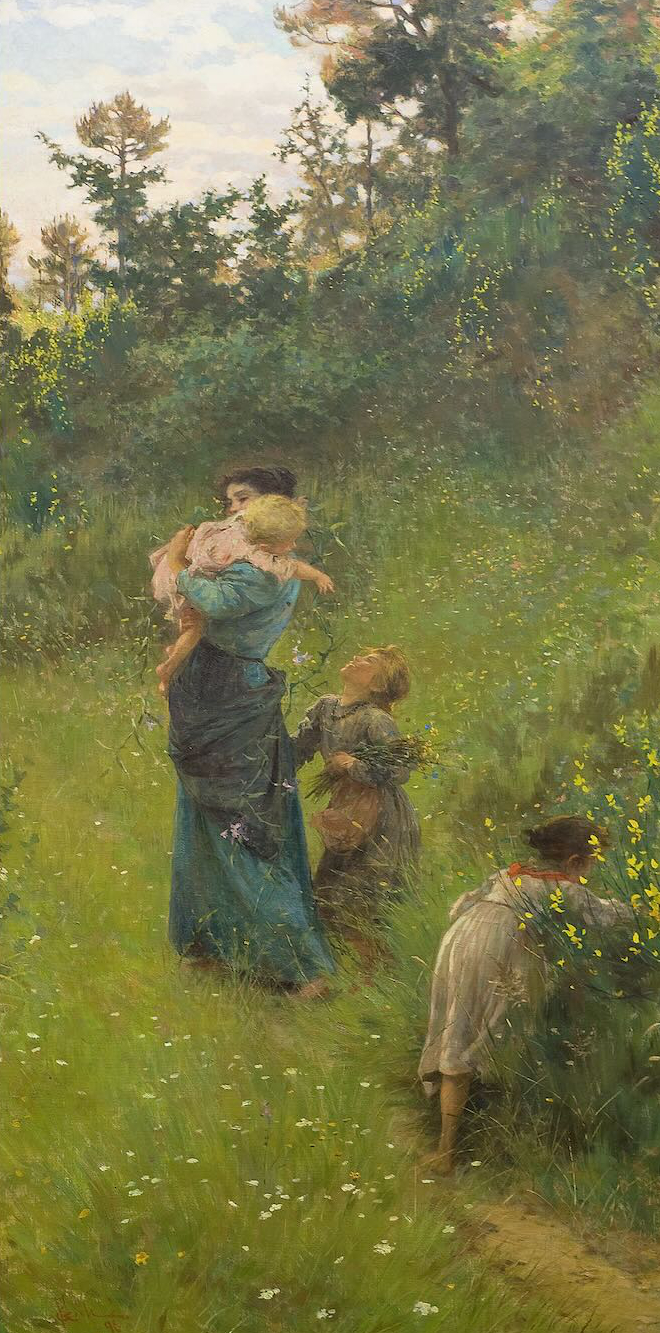
Francesco Gioli, Wildflowers, 1896
oil on canvas, 152 × 76.8 cm
Galleria Nazionale di Palazzo Pitti, Florence
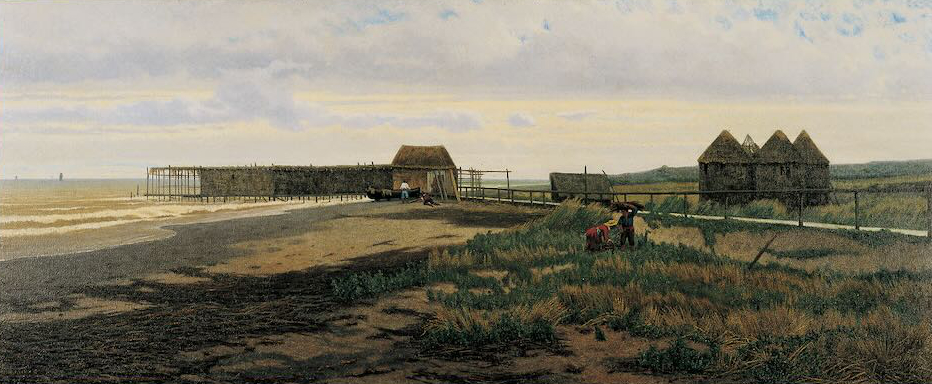
Ernesto Rayper, Il Gombo, 1864
oil on canvas, 58.5 × 140 cm (93.5 × 176 × 9 cm)
Gallery of Modern Art, Genoa